Ohio Medical vs Recreational Marijuana: Which One Saves More Money?
Ohio medical marijuana patients avoid the 10% adult-use excise tax. Recreational consumers pay more at checkout. Regular cannabis users may save money long-term by maintaining medical eligibility.
Published on: August 20, 2026
Last Updated: October 1, 2026

Published on: August 20, 2026
Last Updated: October 1, 2026

Table of Contents
Introduction
If you use cannabis regularly in Ohio, one question comes up often. Should you stay in the medical program or buy through the adult-use market?
For many people, the answer comes down to money.
The biggest factor is the Ohio marijuana tax. While recreational marijuana is legal for adults 21 and older, medical patients and recreational consumers do not always pay the same costs. Over time, those differences can add up.
If you are trying to decide which option makes more financial sense, this guide breaks it down in simple terms. We will look at taxes, long-term costs, and situations where a medical card may still save money.
Key Points:
- Ohio recreational marijuana purchases include a 10% excise tax.
- Medical patients avoid the adult-use excise tax.
- Frequent consumers often see larger annual savings.
- Comparing yearly spending gives a clearer cost picture.
- The Ohio marijuana tax is a major factor when choosing between programs.
Why Compare Medical and Recreational Marijuana Costs?
Comparing medical and recreational marijuana costs can help you save money. The two programs differ in taxes, purchase limits, fees and available discounts.
While medical marijuana can help you avoid the 10% adult-use excise tax, recreational marijuana does not require medical certification or renewal costs.
Therefore, understanding these differences can help you determine which option is more cost-effective for your needs and purchasing habits.
How Taxes Affect Medical and Recreational Marijuana Costs
Ohio law places a special tax on adult-use marijuana purchases. The Ohio Department of Taxation states that adult-use marijuana sales are subject to a 10% excise tax. This tax is collected on recreational purchases made at licensed dispensaries.
In addition to the excise tax, recreational purchases may also include state and local sales taxes. Medical marijuana purchases are not subject to the 10% adult-use excise tax, which can create savings for registered patients.
For example, a $200 adult-use purchase would incur $20 in excise tax. If you spend $200 each month, that difference could amount to approximately $240 over a year, before any applicable sales taxes.
Does a Medical Card Have Costs Too?
Yes. The medical route is not completely free. Patients usually have expenses related to physician certification and renewal requirements. The exact amount can vary depending on the provider and current program requirements. Because these costs vary, every patient should compare their annual certification expenses against their expected cannabis spending.
The key question is simple. Will your tax savings exceed your medical program costs? For many frequent cannabis users, the answer may be yes. For occasional users, the answer may be different.
For a detailed MMJ Card cost breakdown, click here:
Who Benefits Most From Medical Marijuana Savings?
Not every consumer buys cannabis at the same rate. People who purchase only a few times each year may not notice a major financial difference. But regular consumers often see larger savings.
You may benefit more from a medical card if you:
- Purchase cannabis every month
- Use cannabis for ongoing health conditions
- Buy larger quantities throughout the year
- Prefer maintaining predictable long-term costs
The more often you purchase, the more important the tax difference becomes.
Recreational Marijuana Has Convenience
Cost is important, but it is not the only factor. Many Ohio adults choose recreational marijuana because it is simple. There is no need to obtain a medical recommendation before purchasing. Eligible adults can visit a licensed dispensary and buy products within state limits.
For some people, avoiding paperwork and appointments is worth paying the extra tax. That decision depends on personal priorities. Some consumers value convenience. Others focus on long-term savings. Neither choice is automatically right or wrong.
Looking Beyond One Purchase
One mistake many consumers make is focusing on a single transaction. Saving ten or twenty dollars today may not seem significant. However, cannabis spending is often recurring.
Think about common monthly budgets:
- $100 per month
- $200 per month
- $300 per month
- $500 per month
A 10% excise tax continues to apply to adult-use purchases. As spending increases, tax costs increase too. Over several years, the total amount of tax paid can become substantial.
That is why many experienced consumers calculate annual costs instead of looking only at today's receipt.
How Often Do You Use Cannabis?
Your usage habits can help determine which option saves more money.
Occasional Consumer
If you buy cannabis only a few times each year, recreational purchasing may be the simpler option. The tax costs may not exceed the effort or expense required to maintain medical registration.
Moderate Consumer
If you purchase monthly, it becomes worthwhile to compare annual tax costs against medical program expenses. The savings gap may start becoming noticeable.
Frequent Consumer
For consumers who spend consistently throughout the year, avoiding the adult-use excise tax can create meaningful savings. These consumers often benefit most from reviewing the medical option.
Can Recreational Taxes Change?
Tax laws can change over time. There have also been public discussions about adjusting cannabis tax policies in the future. Any future changes would require action through Ohio's legislative process. Because laws evolve, consumers should always check official Ohio government sources for the latest information.
The Hidden Cost of Ignoring Taxes
Many shoppers compare product prices without looking at taxes. This creates an incomplete picture. Imagine two products that both cost $50. One purchase includes an additional excise tax. The other does not. The shelf price looks identical, but the final checkout total is different. Over time, taxes become part of your actual cannabis budget. Ignoring them can lead to underestimating yearly expenses.
Should Patients Leave the Medical Program?
Some patients wonder whether recreational legalization means a medical card is no longer useful. The answer depends on personal circumstances. For some people, adult-use purchasing may provide enough access and convenience.
For others, continued participation in the medical program may still make financial sense because of the tax difference. The best approach is to compare your expected annual spending with the costs associated with maintaining your medical status. When the numbers are clear, the decision becomes easier.
Conclusion
Choosing between Ohio's medical and recreational marijuana programs depends on your purchasing habits, taxes, and overall program costs. While medical patients can avoid the 10% adult-use excise tax, physician certification and renewal costs should also be considered when calculating potential savings.
If you are considering the medical route, My MMJ Doctor can help you understand the medical marijuana evaluation process and determine whether you may qualify. Compare your expected annual cannabis spending with the costs of maintaining medical eligibility to make a decision that fits your needs and budget.

Carrie Gessler,MSN, NP-C
Health & Cannabis Content Writer
Carrie Gessler, MSN, NP-C is a medical writer and board-certified Adult Nurse Practitioner with 17+ years of clinical experience. She creates evidence-based healthcare and medical cannabis content, translating complex medical topics into clear, accurate, and patient-friendly information that supports informed healthcare decisions.
View Profile
Frequently Asked Questions
Does Ohio charge the same taxes on medical and recreational marijuana?
No. Medical marijuana patients do not pay the 10% adult-use excise tax that applies to recreational cannabis purchases.
Can a recreational consumer switch to Ohio's medical program later?
Yes. Eligible individuals can apply for Ohio's medical cannabis program if they meet state requirements.
Do cannabis taxes affect edible and vape purchases in Ohio?
Adult-use excise taxes apply to eligible recreational cannabis products sold through licensed dispensaries.
Is a medical marijuana card worth it for monthly cannabis users?
Many monthly users compare annual tax savings with certification costs to determine overall value.
Are cannabis taxes the same in every Ohio city?
State cannabis tax rules apply statewide, but local sales tax rates can vary by location.
Table of Contents
Ready to Get Started?
See if you qualify for medical cannabis therapy.
Related Articles
Continue your medical cannabis education with these expert-reviewed articles.

Patients Check These Ohio Registry Steps First
Know what to expect after Ohio medical approval, from the registry email and account setup to payment and active registration.

What Does an Ohio Medical Card Really Cost?
Planning for an Ohio medical marijuana card? Review physician fees, the $0 state fee, renewal costs, and potential extra expenses.

Check Ohio Qualifying Conditions Before Applying
See which conditions qualify for medical marijuana in Ohio, including chronic pain rules, physician requirements, and eligibility steps.

Before Your Ohio Card Expires Check Renewal Steps
Renew your Ohio medical marijuana card online with a physician recommendation, registry steps, renewal timing, and fee details.

Ohio Marijuana Transport Rules Before You Drive
Check Ohio marijuana transport and DUI rules before driving, including storage, OVI laws, medical cannabis, and interstate travel.
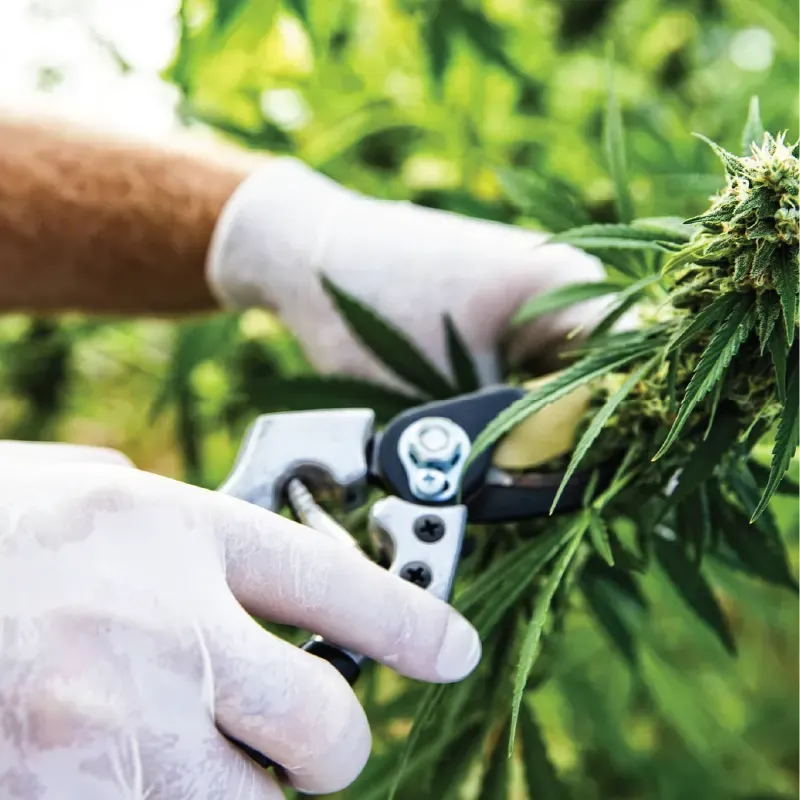
Know Ohio Cannabis Home Grow Rules Before You Act
Understand Ohio cannabis laws on possession, public use, home growing, driving, work, and housing. Know the rules that still apply.
Access Your Medical Marijuana Card Today
Your trusted partner for medical cannabis care. We’ve helped thousands of patients nationwide with safe and stress-free MMJ card approvals.
Complete the process in 15-30 minutes • 100% online • No office visits required